Aqua tracker
A school project where an app was created for the Swedish Environmental Protection Agency, where private individuals can collect information about the condition of lakes through pictures and notes.
Results
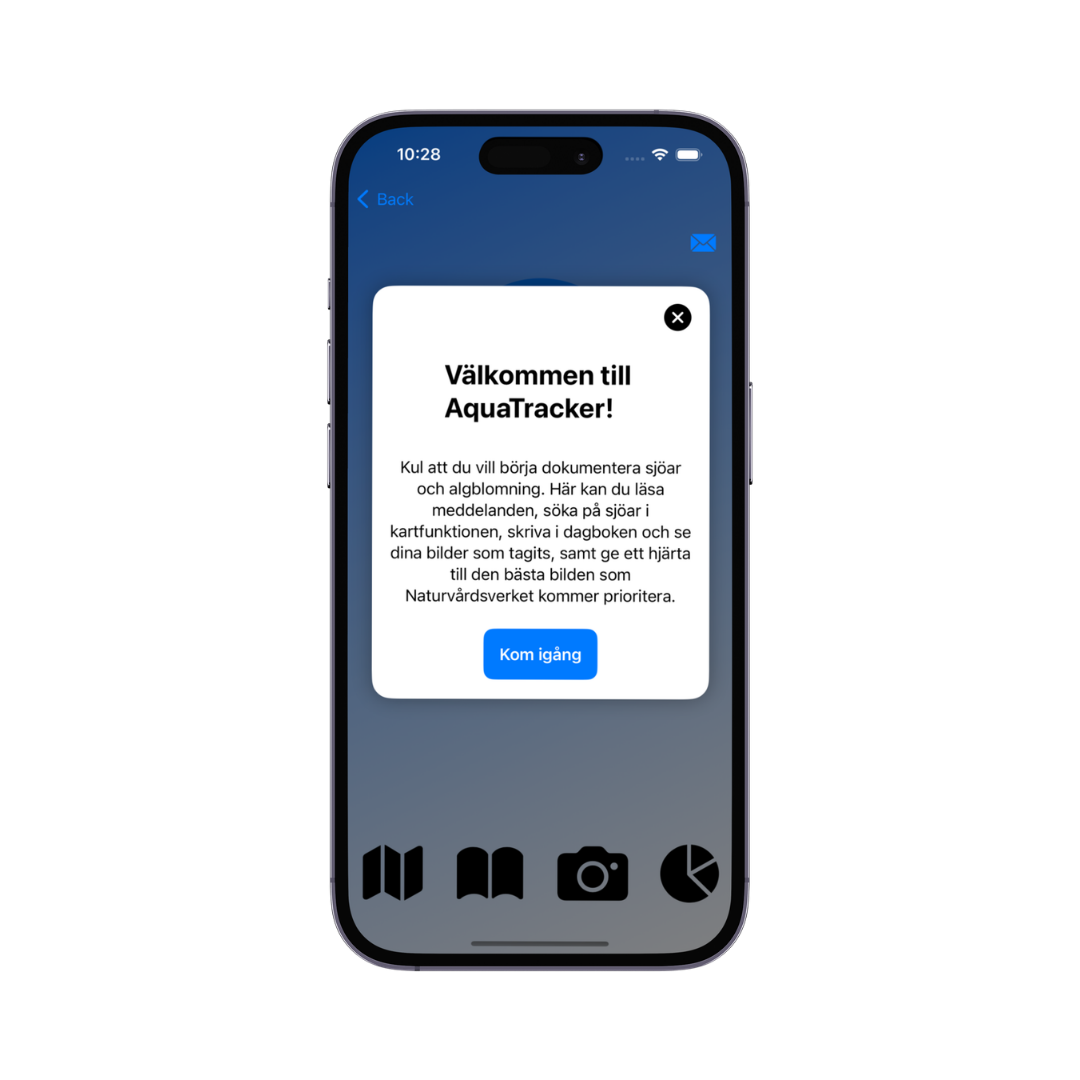
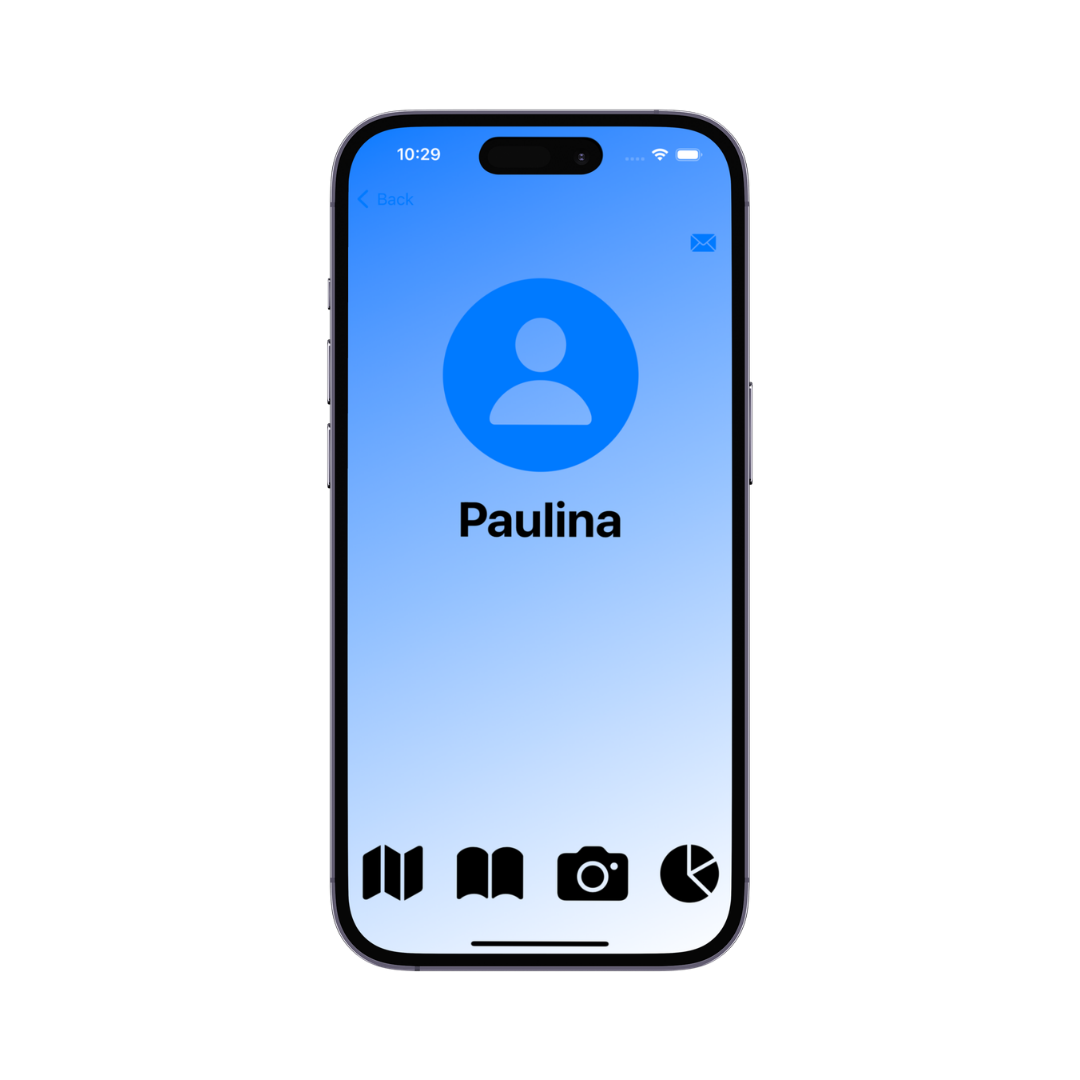
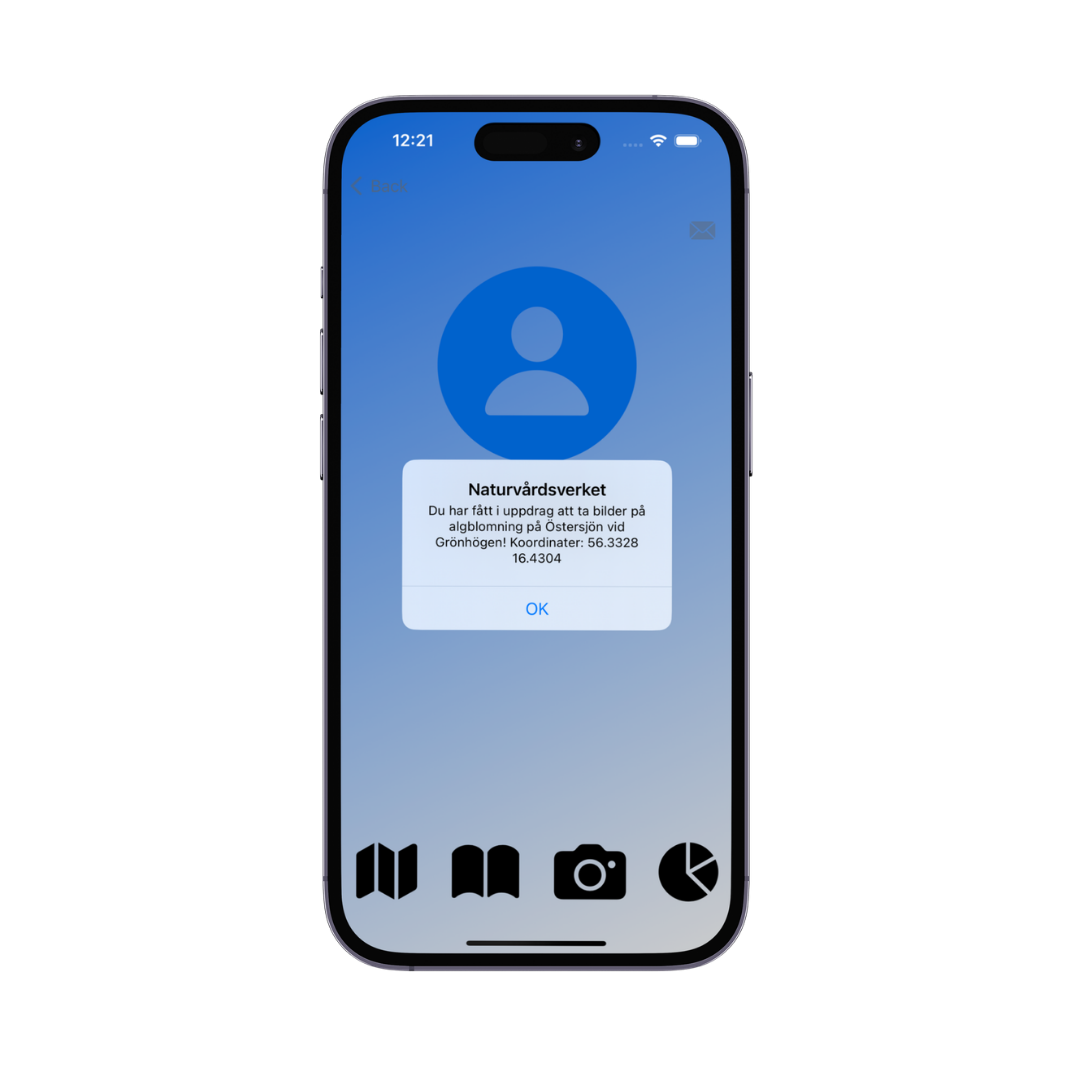
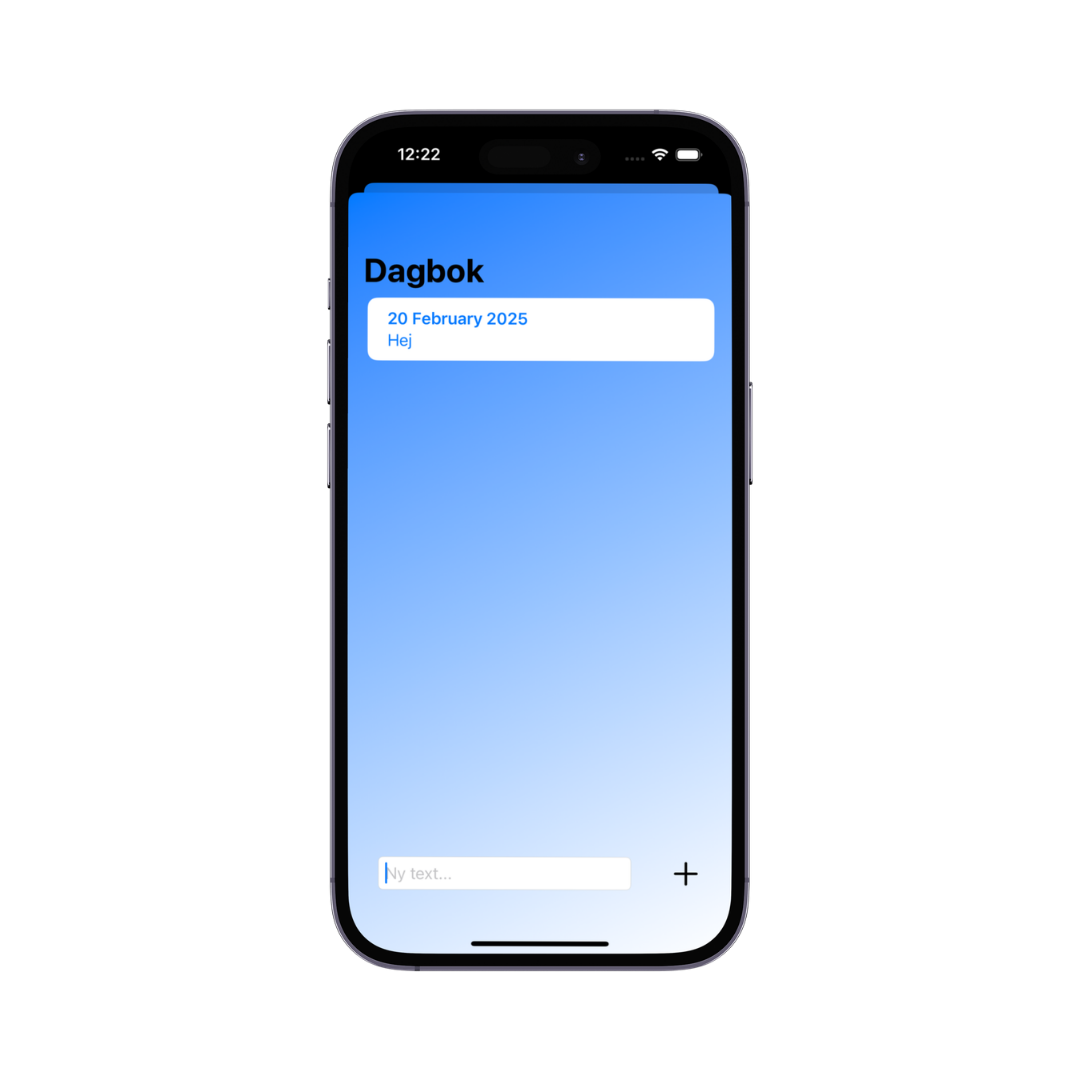
The final version of the Aqua Tracker app contains the Swedish Environmental Protection Agency's need to be able to report the condition of lakes. The solution consists of a digital artifact and is carried out using a camera to take pictures of the water. It will be a playful way for private individuals to use the app with the help of functions such as having their own profile, map, having favorite pictures and diary. I have designed the app's appearance and functions individually in the Xcode tool.
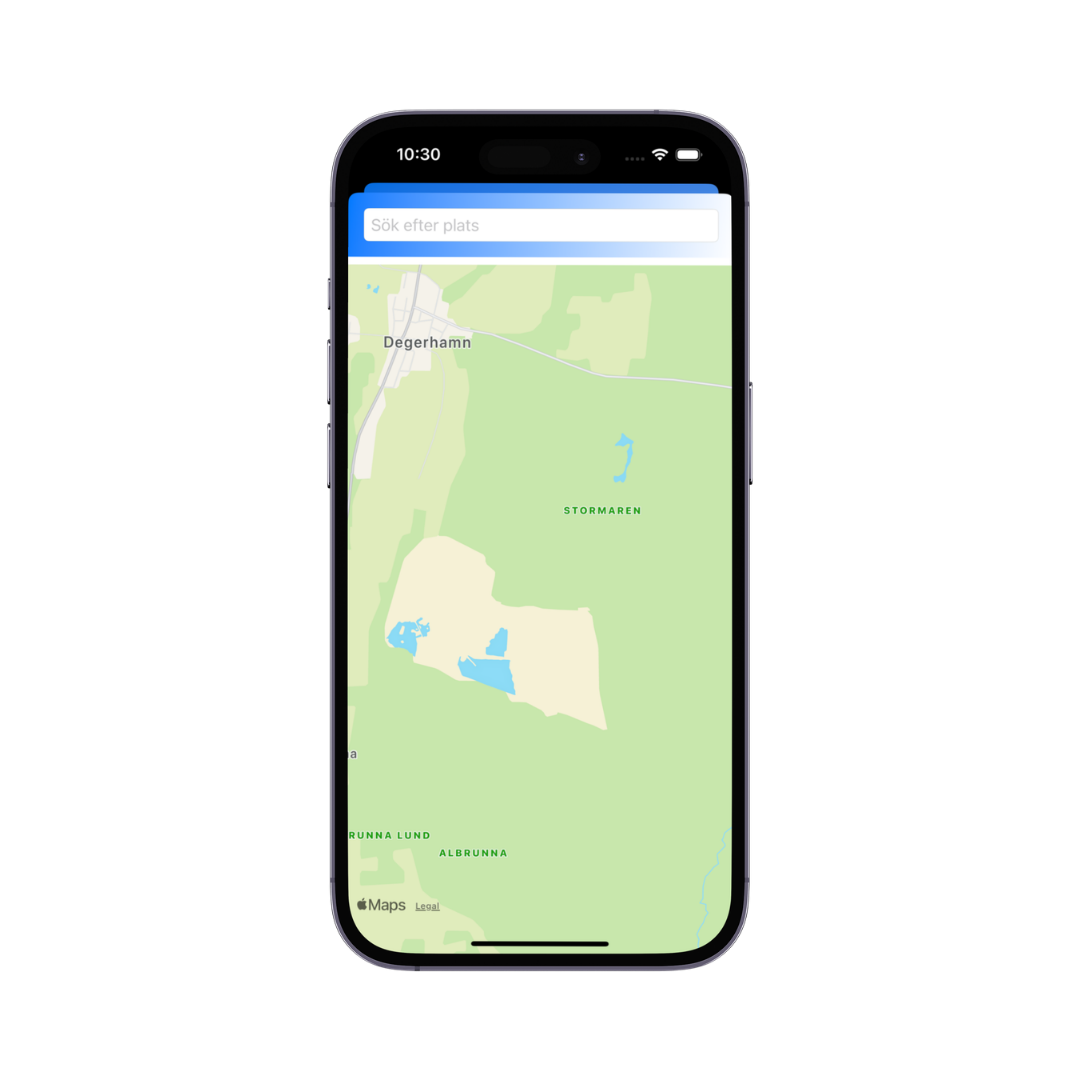
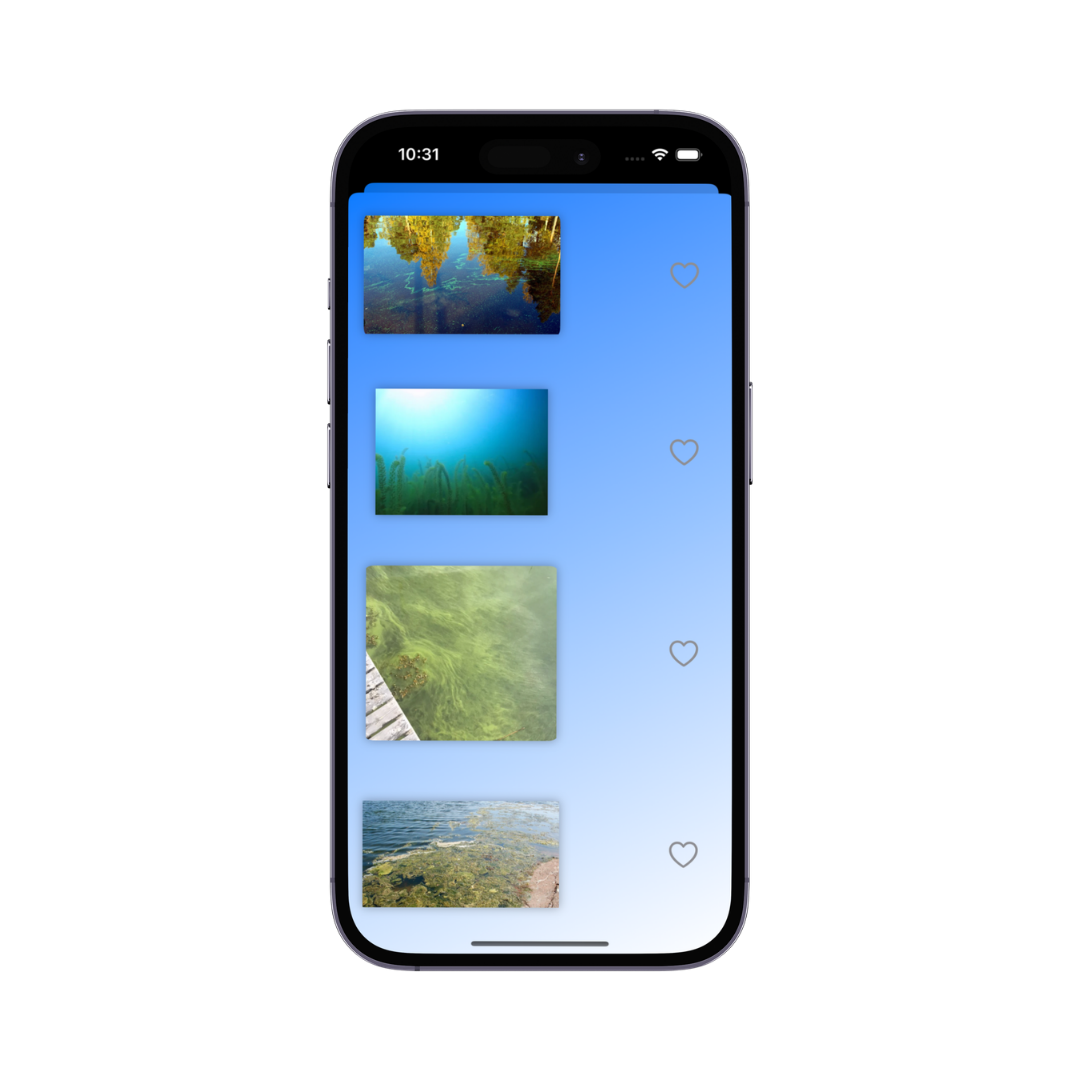
Problem
This project is based on the Swedish Environmental Protection Agency wanting to use private individuals as data collectors. The Swedish Environmental Protection Agency wanted help in developing a prototype that could be used by private individuals in the local environment to continuously report on the state of nature. Their need was for the prototype to support data collection from nature and new data collection assignments that they could give to private individuals.
Process
The process itself began with a design sprint that was carried out in a group of four people, where we would draw sketches and make storyboards based on the case. We also had to vote and select parts of the prototypes that we wanted to move forward with.
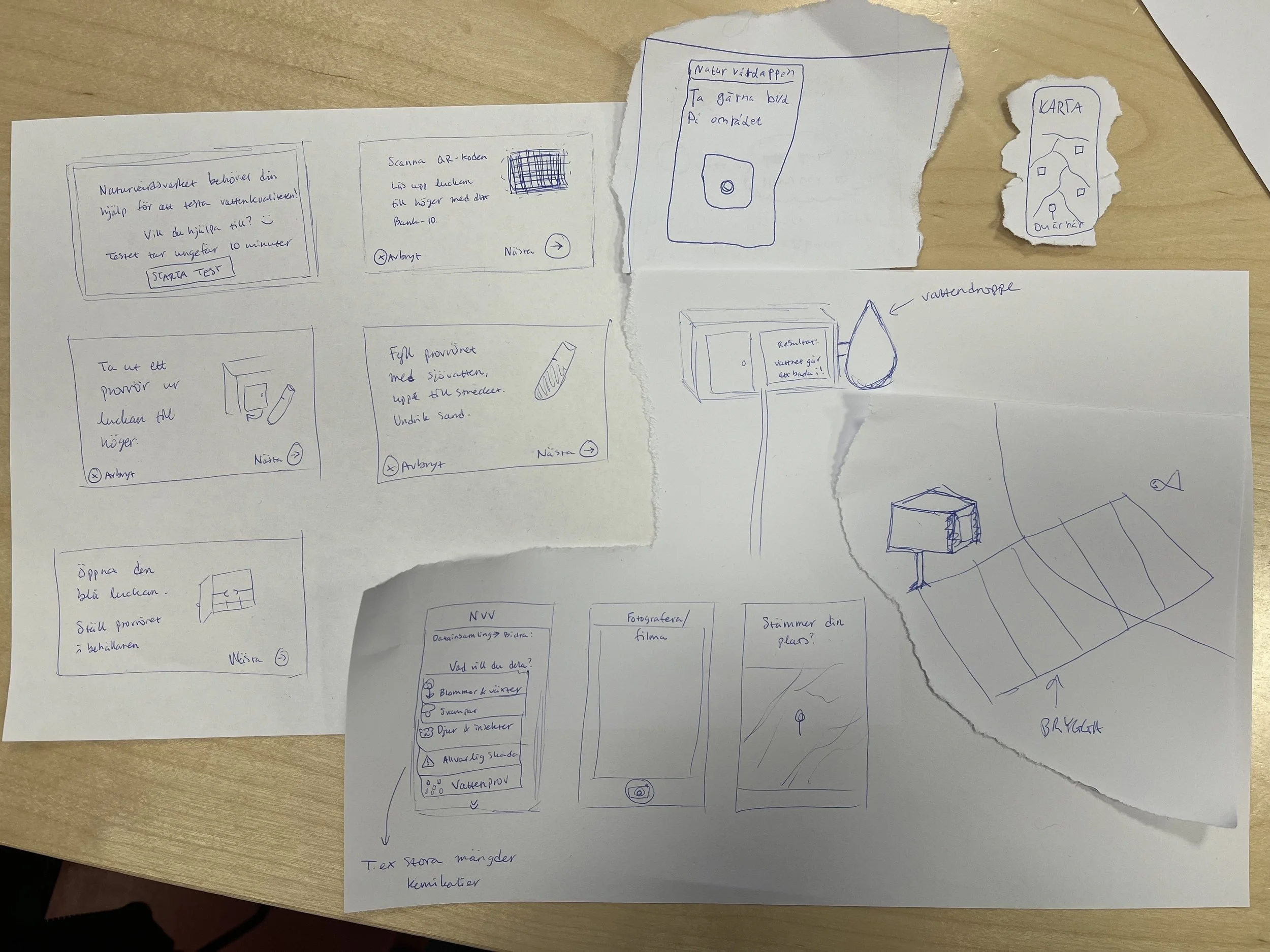
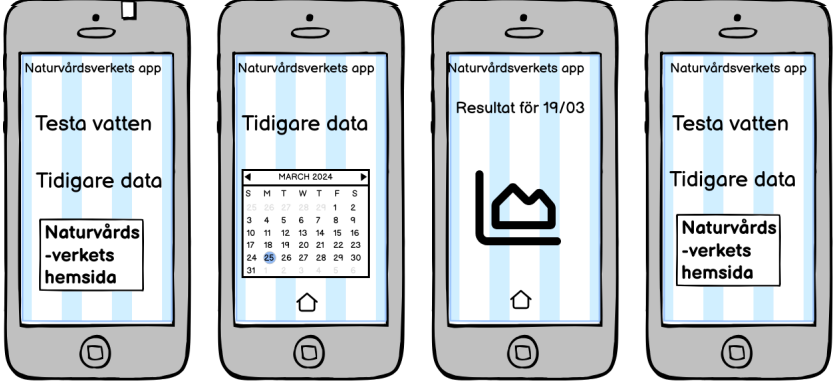
Based on the chosen ideas, we began making wireframes and prototyping the digital interface for water tests, but also began thinking about what functions should be available for both the digital and physical artifact.
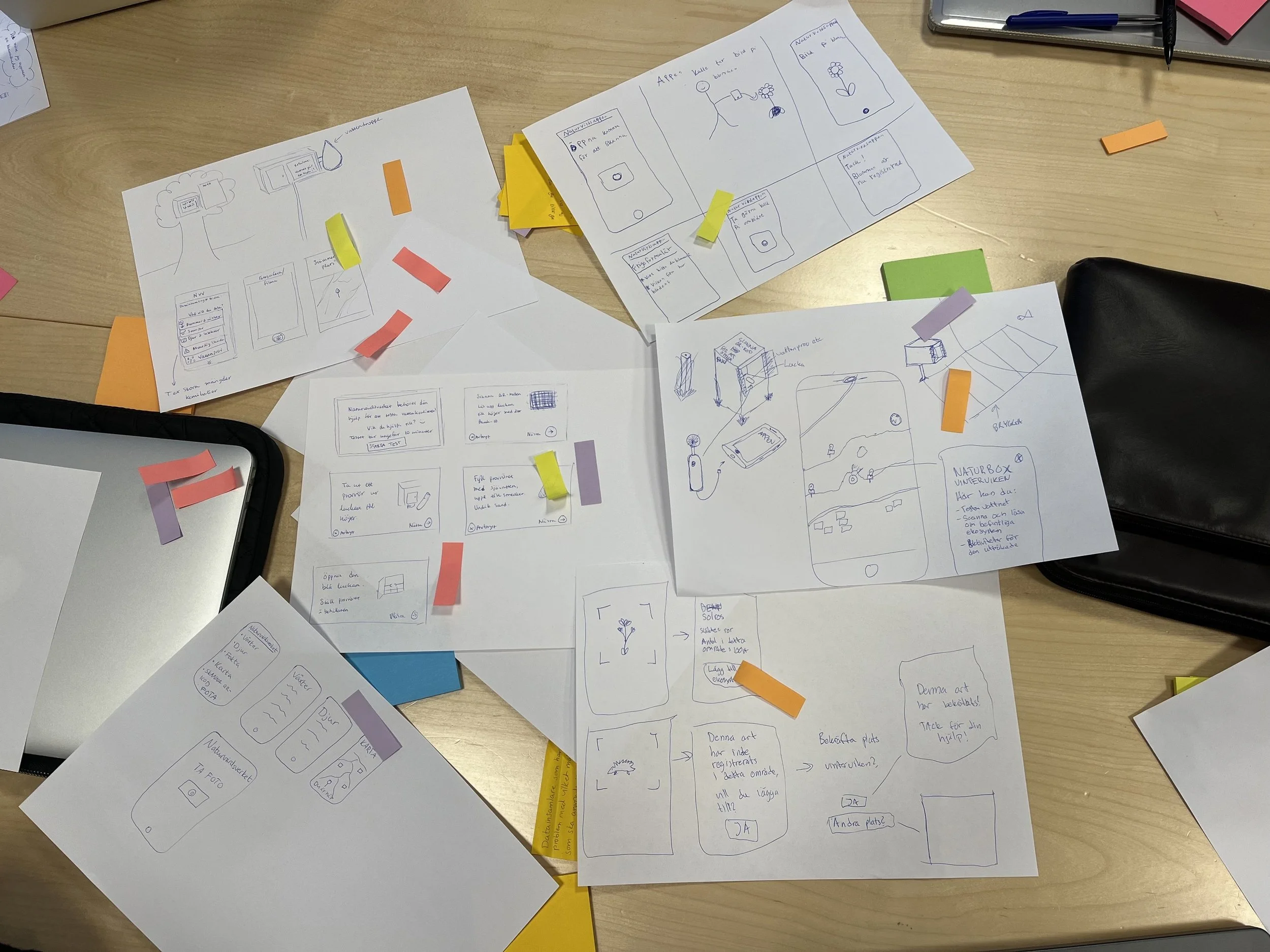
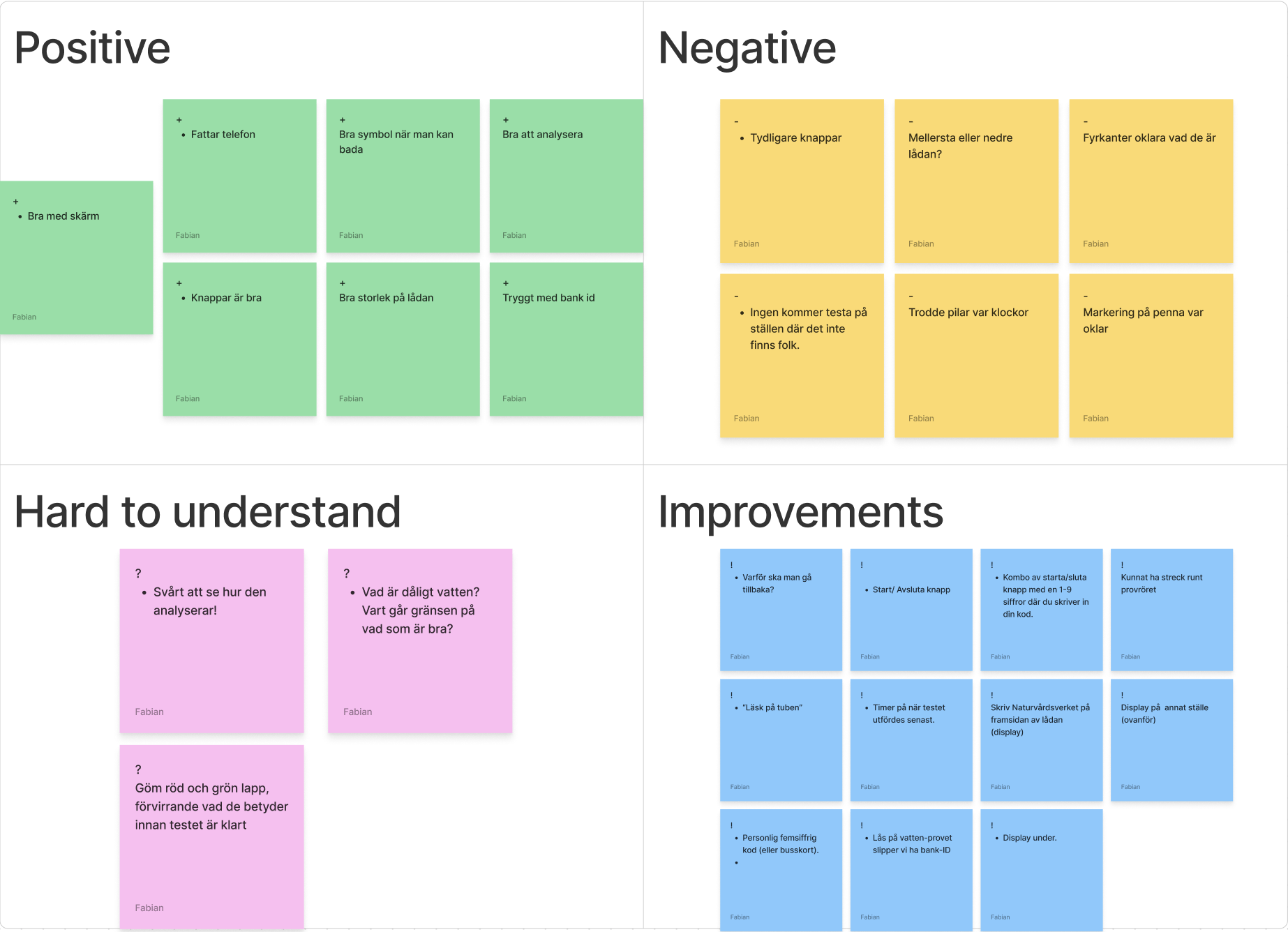
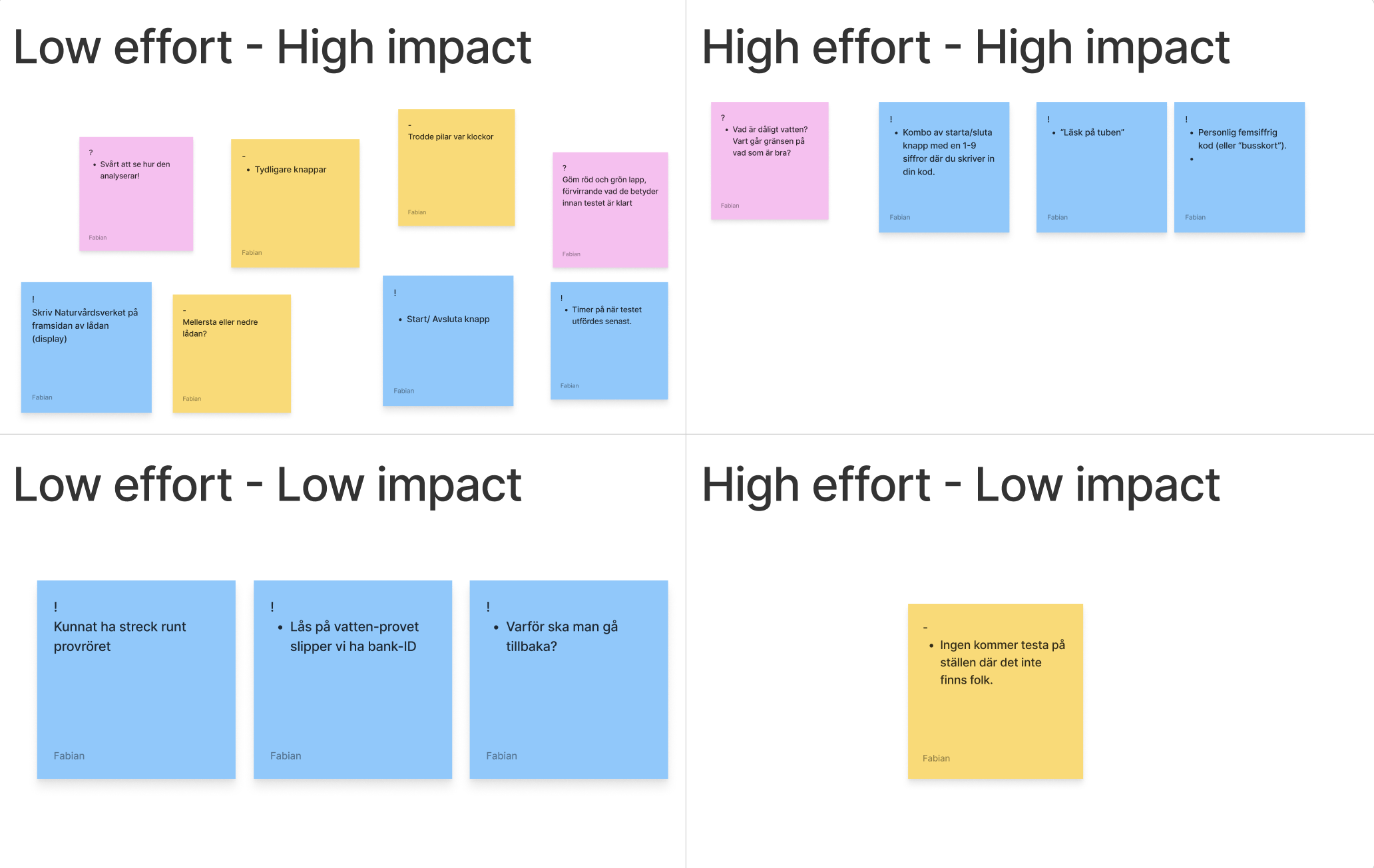
During the process, other students got to test our prototype and give feedback on it. This data was collected on post-it notes where we used the feedback matrix and impact effort matrix. This helped me in my individual process to continue brainstorming features and appearance for my own development and version of the app, and to start focusing on diary and pictures of lakes, rather than water tests.
Lessons
What I learned from this project was to work efficiently and quickly in a group, i.e. a design sprint. I was then able to bring that to my individual artifact based on tests, analyses and other new methods such as feedback matrix, as well as feedback from other students. This resulted in being able to work in combination as a group and by myself.