Gift station
Donation box for secondhand stores was made where customers can drop off their gifts to the store to contribute positively to the climate through their footprint, while also making the staff's work easier through less cleaning.
Results
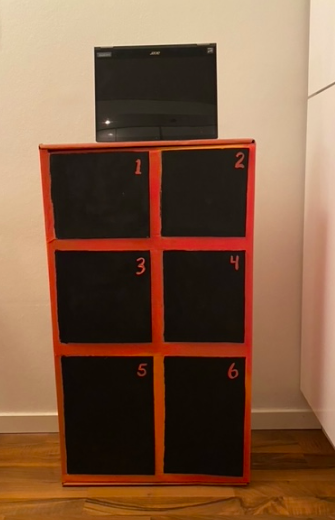
The final version of the donation box consisted of a digital screen with an associated physical box. It has various functions to make the work of the employees in the store easier, such as estimating the number of gifts. Staff can more easily manage donations and have an overview of the items.
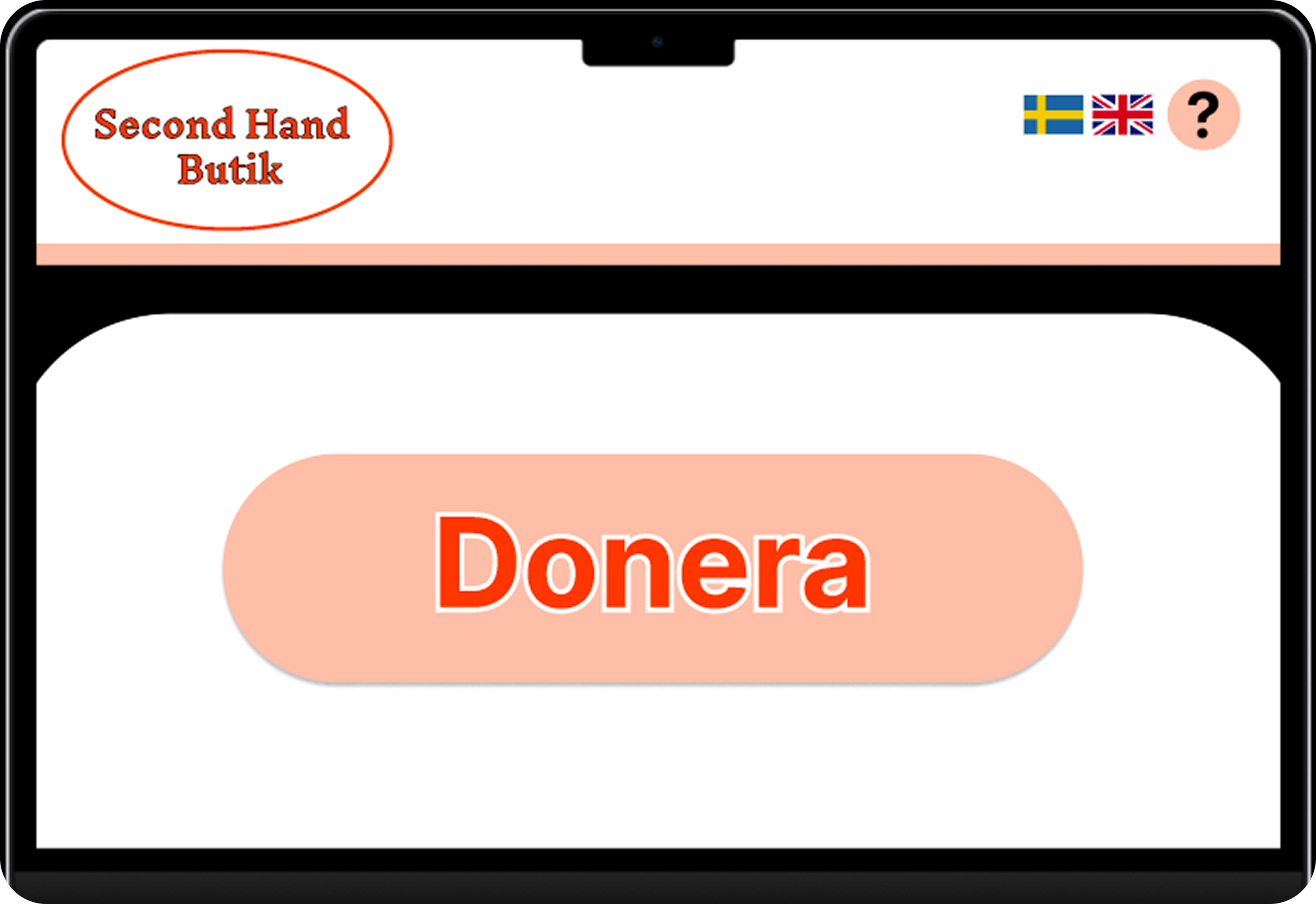
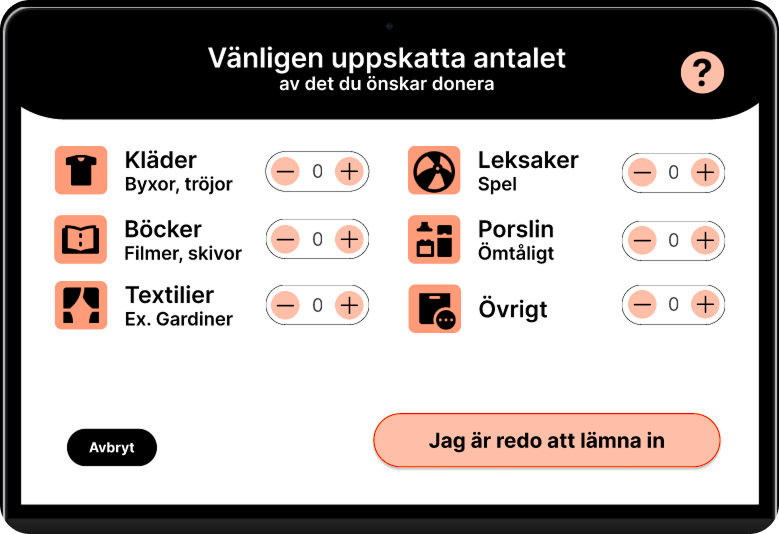
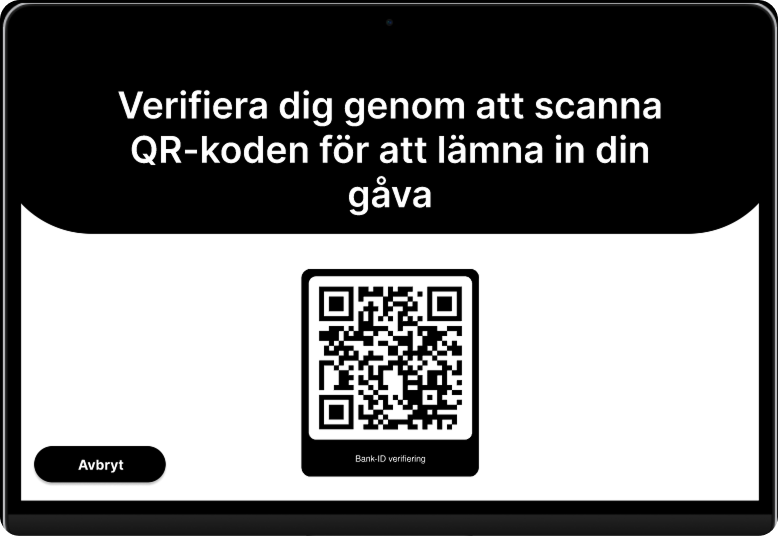
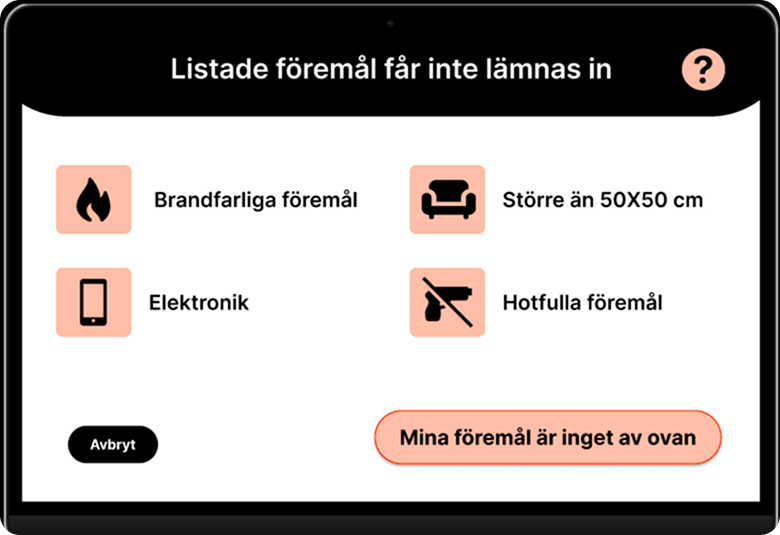
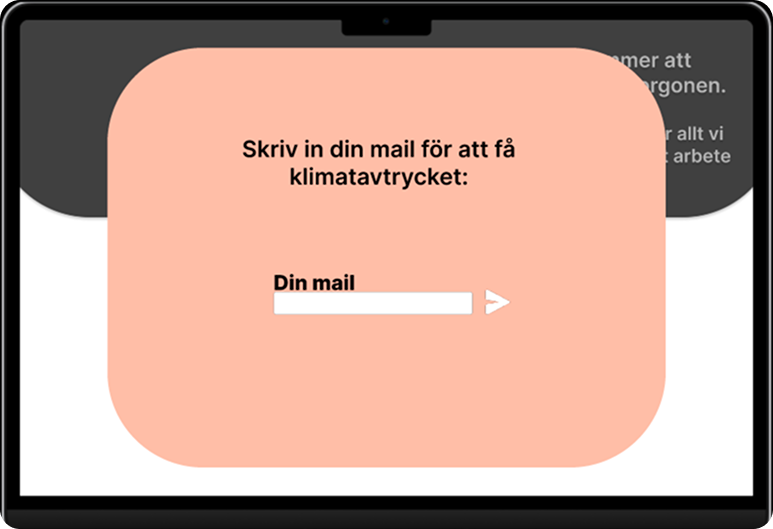
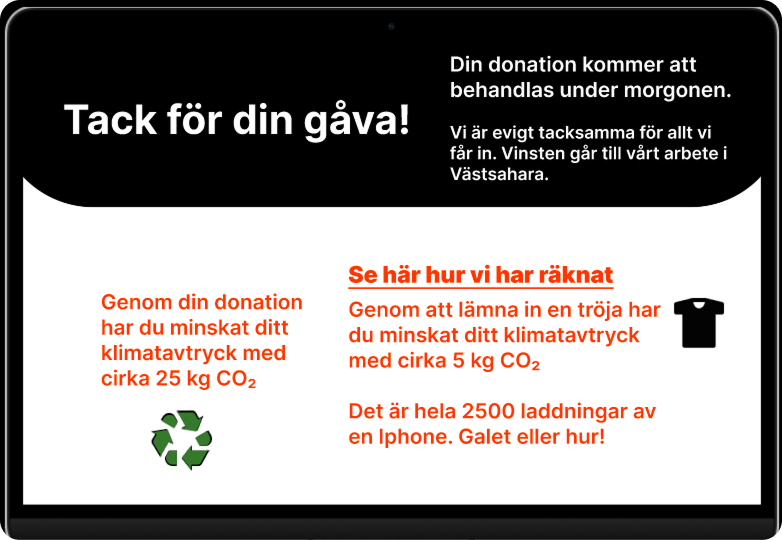
The donation station promotes safety through verification to avoid dangerous items. To smoothly collect more donations, their customers can receive a carbon footprint. The donations that are dropped off in the physical box contribute to a more sustainable world.
Problem
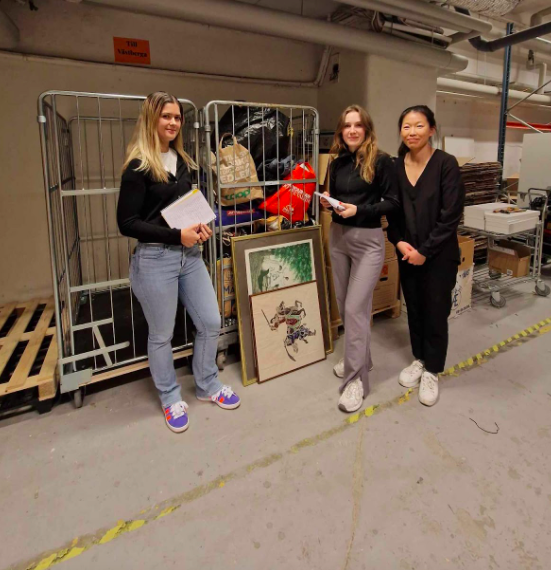
The problem we identified with the store was that their donations from customers often ended up outside the store, resulting in items becoming dirty or damaged. This was due to their current station being inconspicuously placed inside the store, but also because customers were dropping off items at closing times. This forced the staff to spend a lot of time cleaning.
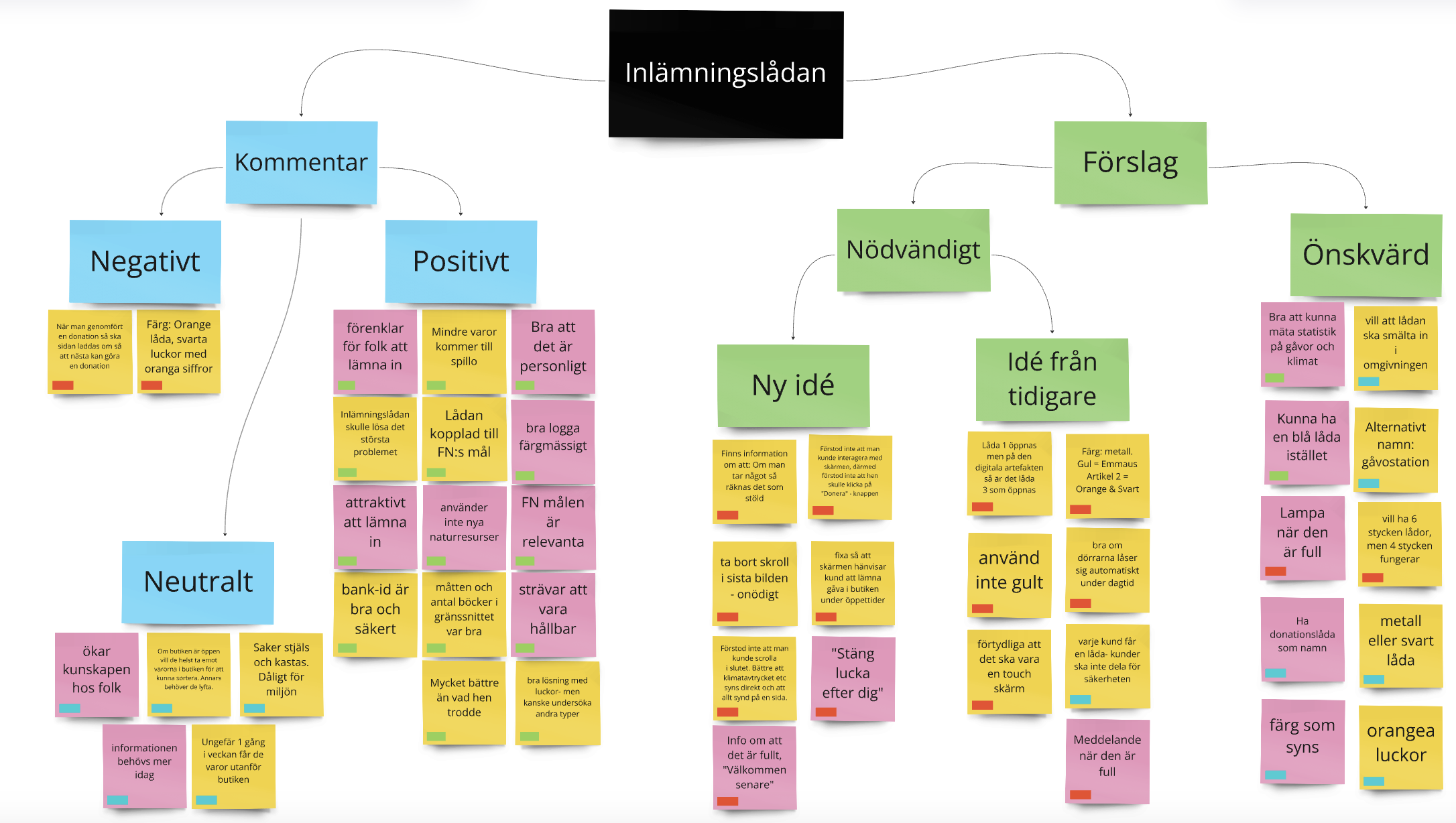
In the design process, post-it notes were always used after workshops, to document the process and collect all the participants ideas and suggestions. This helped us in the group to be able to move forward with only one solution, the gift station, and to prototype based on the participants' needs. The gift station has also had different looks and functions until the final version based on evaluation of the prototype with participants.
Process
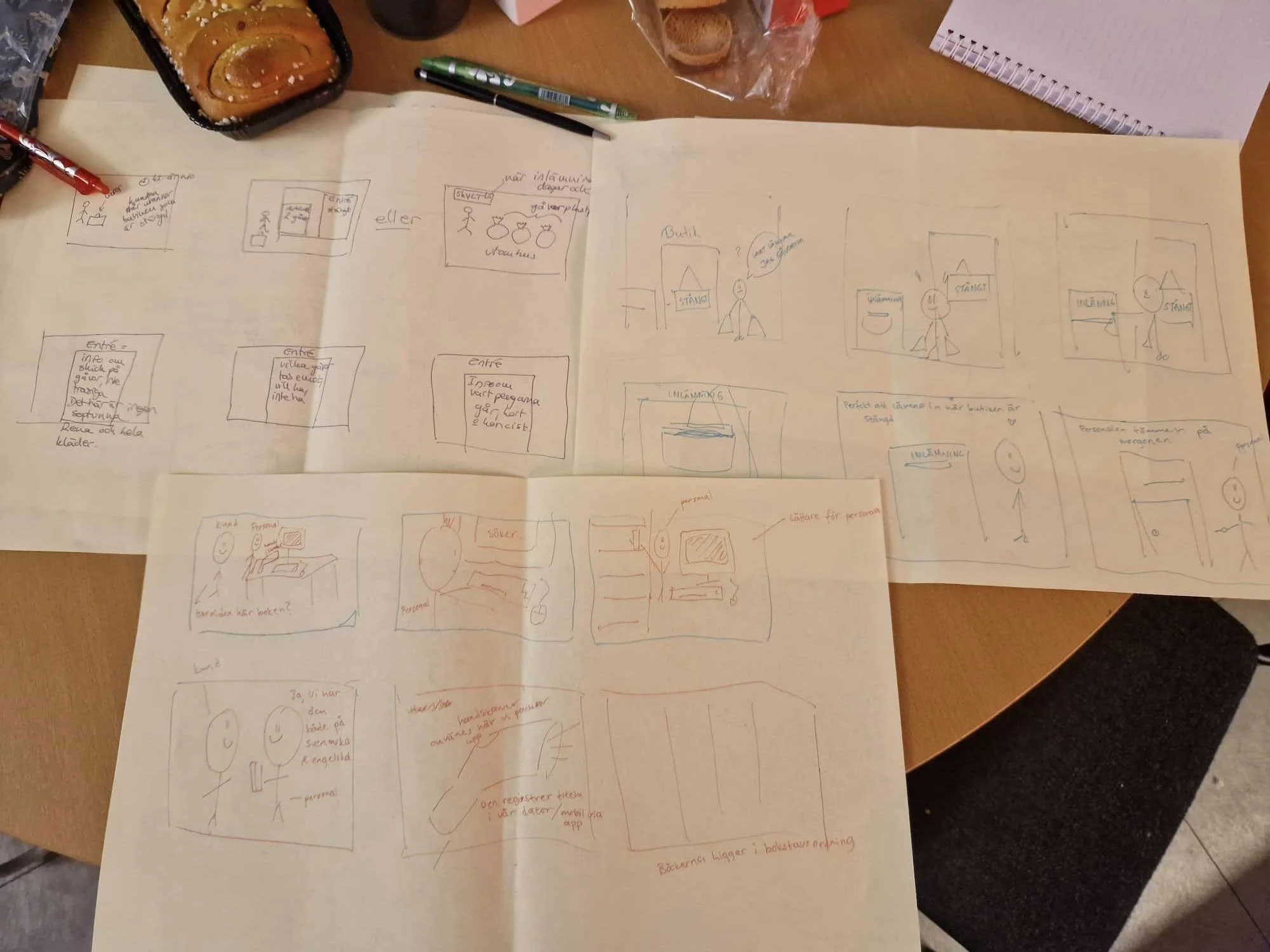
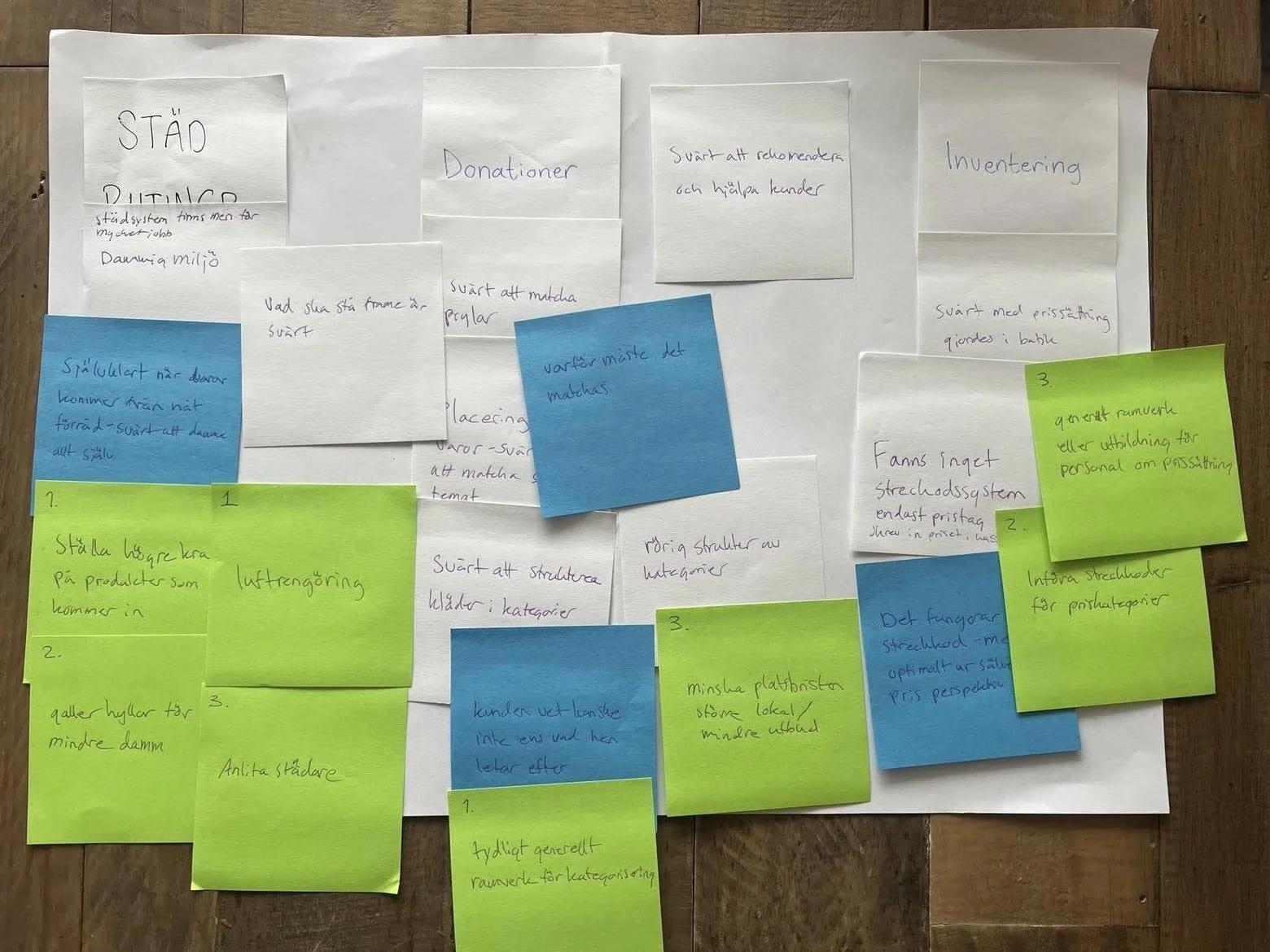
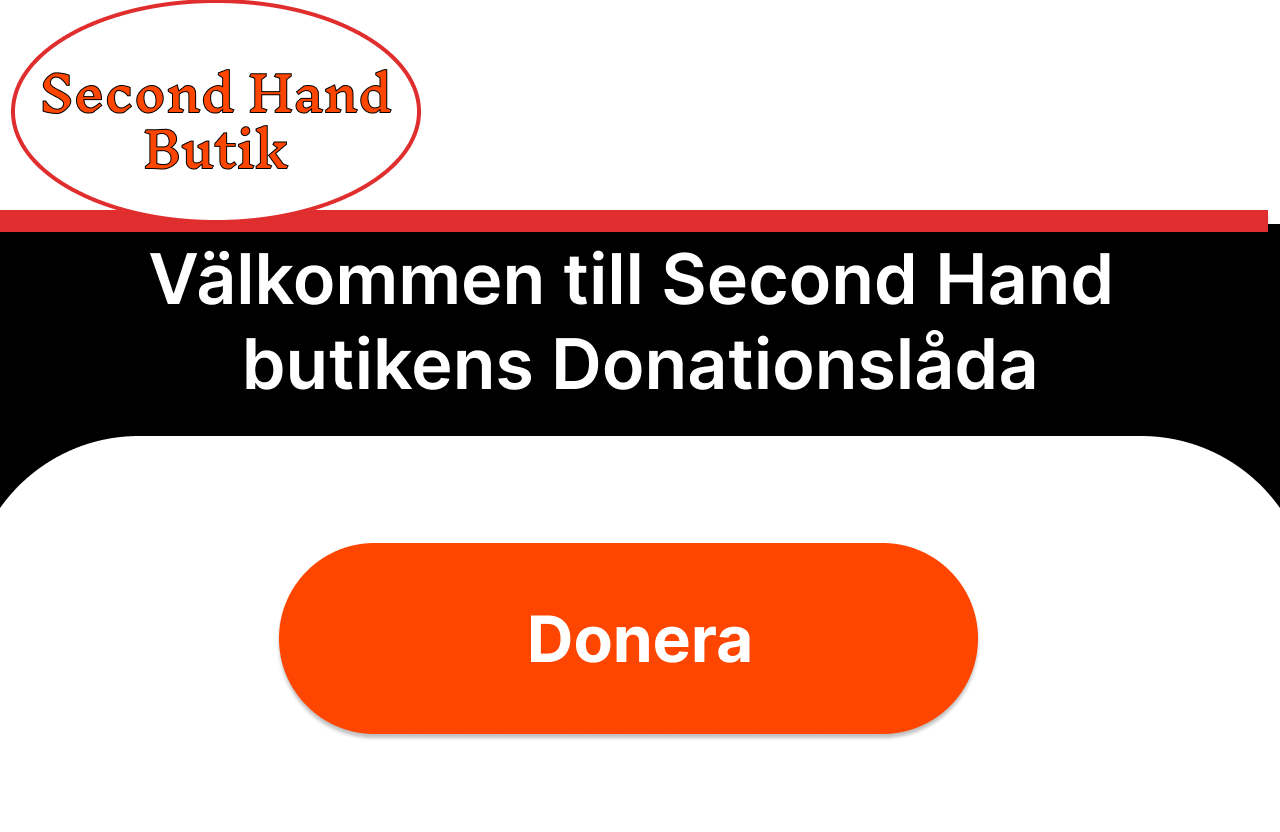
The development of the gift station was done using participatory design, where a solution was designed together with participants. It consisted of four workshops where every other time I was a moderator and observer and was responsible for the prototyping at a workshop. At the future workshop, post-it notes were clumped together that represent problems and solutions. During prototyping, storyboards and sketches were drawn, which were of great help in the design process. The appearance of the digital screen was done in the tool Figma.

Lessons
Lessons learned from the project were primarily using participatory design, how to design together with participants and using methods such as contextual inquiry, future workshop, prototyping and evaluation. It was inspiring because it helps to find relevant solutions that can benefit participants. A big lesson learned is the different methods/phases you go through to finally succeed in arriving at a final concept.